Prices
  Request a call back
  Moving Guides
  Free quote
 What to know about Greenwich council parking for moves
Posted on 20/08/2026

What to Know About Greenwich Council Parking for Moves
If you are moving in or out of Greenwich, parking is one of those small details that can quietly become the biggest headache on the day. The van arrives, boxes are stacked, the sofa is half out the door, and suddenly there is nowhere legal to stop. That is where understanding Greenwich council parking for moves really pays off. With a bit of planning, you can avoid delays, keep the move legal, and reduce stress for everyone involved.
This guide explains how moving-day parking works in Greenwich, why it matters, what to check before the van arrives, and how to plan around tight streets, controlled parking zones, and timing issues. It is practical, local, and written for real moving days, not fantasy ones where everything goes to plan.
Why Greenwich Council Parking for Moves Matters
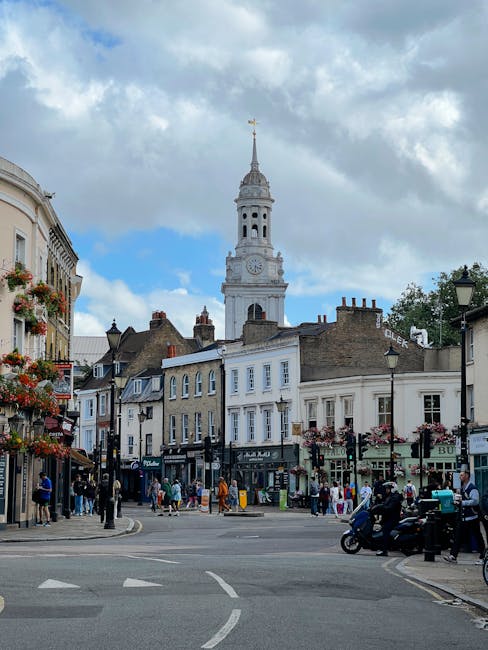
Moving day is already full enough: keys, lift access, fragile items, last-minute packing, and that one drawer you somehow forgot to empty. Parking adds another layer. In Greenwich, streets can be narrow, bays can be tightly managed, and restrictions can make a perfectly ordinary van stop turn into a penalty risk or a stressful scramble.
When parking is sorted properly, the whole move feels calmer. The team can work faster, there is less carrying distance, and heavy furniture does not have to be hauled from the end of the street. That is not just convenient; it can reduce the chance of damage and make the move safer too.
For anyone arranging a local move, especially in denser parts of the borough, council parking is not a side note. It is part of the move itself.
Expert summary: If your van cannot stop legally and close enough to the property, you may lose time, add risk, and create avoidable costs. Planning the parking is planning the move.
That is one reason local knowledge matters. For wider moving context, it can also help to read Greenwich living advice and local insights and practical tips for narrow streets in Greenwich. Those kinds of details often make the difference between a smooth first hour and a chaotic one.
How Greenwich Council Parking for Moves Works
In plain English, the idea is simple: you need a legal and practical place for the removal vehicle to stop while loading or unloading. Depending on the address, that may mean using a residents' bay, a shared bay, a single yellow area within allowed hours, or arranging temporary parking control or suspension where available.
The exact method depends on the street, the type of vehicle, and how much time the move will take. A small van can sometimes fit where a large removal lorry cannot. A flat in a busier street may need more advance planning than a house on a quieter road. And if you are moving a piano or bulky furniture, you may need extra loading space, not just a legal parking spot.
Greenwich council parking arrangements for moves usually come down to a few common needs:
- to stop the vehicle close to the property
- to stay within local parking restrictions
- to avoid blocking traffic, driveways, or access routes
- to reduce carrying distance for furniture and boxes
- to make the move safer and faster for the crew
Sometimes people assume they can just "pull up for a minute". That is where trouble starts. Councils do not tend to care that it was only going to be five minutes. Honestly, parking tickets have a way of arriving with rather poor timing.
For more on the kind of move where vehicle access becomes a real issue, it can help to look at man with a van in Greenwich and removal van options. The right vehicle choice can reduce parking pressure before it even begins.
Key Benefits and Practical Advantages
Getting parking right does more than avoid tickets. It has knock-on effects across the whole move.
- Less carrying distance: Boxes and furniture travel fewer metres, which saves time and reduces strain.
- Lower risk of damage: Fewer steps, fewer doorways, fewer chances to chip, scratch or drop items.
- Faster loading and unloading: When the vehicle is properly positioned, crews can work in a better rhythm.
- Cleaner logistics: No awkward U-turns, no circling the block, no waiting for another car to move.
- Better compliance: You avoid preventable penalties or disputes with neighbours.
There is also a quieter benefit: peace of mind. Moving day already has enough moving parts, if you will forgive the phrase. Knowing the vehicle has a proper place to stop takes one worry off your shoulders.
That is especially useful for people arranging home removals in Greenwich or flat removals, where access can be tighter and timing less forgiving.
Who This Is For and When It Makes Sense
Not every move needs the same level of parking planning. A ground-floor property on a quiet road is one thing; a top-floor flat near a busy high street is another entirely.
This matters most if you are:
- moving from or to a flat with limited street space
- using a larger van or removal vehicle
- moving during a busy weekday or school-run window
- handling furniture, appliances, or bulky items
- moving in an area with resident bays or controlled parking
- working to a very tight time window, such as a completion day
Students moving into shared accommodation often underestimate parking because the move feels small. Then three people arrive with suitcases, a desk, a mattress, and several boxes of books. That is still a proper logistical job. If that sounds familiar, student removals in Greenwich can be worth considering.
Office moves, piano moves, and last-minute moves tend to need even more forethought. For heavier items, see piano removals in Greenwich and furniture removals support, because the access plan often matters as much as the lifting itself.
Step-by-Step Guidance
1. Check the street and bay situation early
Start with the basics: is there a bay outside? Is it resident-only? Is there a loading restriction? Is the street narrow enough that a van would block traffic if it stopped there? These are the questions that set the whole plan.
2. Match the vehicle to the access
A long wheelbase van is not always the answer. Sometimes a smaller van is the smarter choice, especially in tightly packed streets or where turning space is limited. A move that looks cheaper on paper can become more expensive if the vehicle is too awkward for the road.
3. Build the parking into the moving schedule
Do not treat parking as something to sort "on the day". Allow time for the vehicle to arrive, position itself, and stay where it can legally load or unload. If you are juggling a completion time, this bit matters even more.
4. Keep neighbours and access routes in mind
If there is shared access, a block entrance, or a tight front path, think about how your move affects everyone else. The smoothest moving days are the ones where the van does not become a mini roadblock.
5. Confirm the plan before moving day
The final check is the one people miss. Confirm where the vehicle will stop, how long it will need, and whether any temporary restrictions apply. A five-minute confirmation call can save a lot of guesswork.
If the move is more complex than expected, you may also want to compare service levels through the services overview or look at removal services in Greenwich so the parking plan and the moving plan stay aligned.
Expert Tips for Better Results
In our experience, good parking planning is mostly about getting in early and being boringly organised. Not glamorous, but effective.
- Take photos of the street: Useful for checking bay signs, curb space, and pinch points.
- Measure big items first: A sofa or wardrobe may change the vehicle and parking strategy.
- Aim for off-peak timing where possible: Less traffic usually means fewer access problems.
- Keep a backup plan: If the closest bay is unavailable, know the next-best stopping point.
- Protect the route into the property: Door frames and tight corners are where little accidents happen.
Here is a simple truth: the less a crew has to improvise, the better the day usually goes. That goes for removals, parking, packing, the lot.
For practical moving-day support, it can help to see movers in Greenwich and local removals services as part of a wider plan, not just a vehicle on the street.
Common Mistakes to Avoid
The most common mistake is leaving parking to the last minute. That seems obvious, but it happens constantly. Someone focuses on boxes, bins, keys, and the final clean, then assumes parking will "sort itself out". It rarely does.
- Assuming any van can stop anywhere: Local restrictions still apply.
- Ignoring loading times: Even a quick move can take longer than expected.
- Forgetting that neighbours need access too: A blocked driveway can turn a normal move tense very quickly.
- Choosing the wrong vehicle size: Bigger is not always better.
- Not checking bay signage carefully: Small details on signs can matter a lot.
Another mistake is assuming every move will be straightforward because the property is "only a short walk from the road". A short walk can still feel endless when you are carrying a wardrobe shelf in the rain.
And yes, the rain matters. This is Greenwich, after all.
Tools, Resources and Recommendations
You do not need a complicated toolkit to plan parking well. What helps most is a simple, practical set of checks.
- Street photos: Use your phone to record bay signs, access points, and road width.
- Floor plan or property notes: Helpful when deciding where furniture can be taken in and out.
- Move inventory: A list of bulky items will tell you whether parking needs extra space or time.
- Time estimate: A realistic window for loading and unloading keeps the plan grounded.
- Removal service advice: A local team can often spot access issues before you do.
If you are comparing service options, it can be useful to look at pricing and quotes alongside man and van Greenwich. The best value is often the service that fits the access situation cleanly, not the headline price alone.
For more complex jobs, especially where careful handling matters, insurance and safety is worth checking too. Parking, lifting, and protection all work together.
Law, Compliance, Standards and Best Practice
Parking rules in Greenwich are not something to guess at. If a road is controlled, residents' bays are reserved, or a yellow restriction applies, you should treat the signs and local conditions seriously. The basic best practice is simple: do not rely on assumptions, and do not assume a brief stop makes a stop legal.
For moves, the safest approach is to plan in line with local parking restrictions, traffic safety, and property access needs. If a temporary parking suspension, permit, or loading arrangement is available for your street, it is usually better to investigate that early rather than hoping for the best.
There is also a practical duty of care. A removal vehicle should not obstruct emergency access, block neighbours unnecessarily, or create an avoidable hazard. That is just common sense, really, but common sense and moving day do not always meet politely.
When access is difficult, the move should be approached with care, proper scheduling, and realistic time allowances. If you are using professionals, they should explain what is feasible, what is risky, and what will likely slow things down.
Options, Methods and Comparison Table
Different parking approaches suit different kinds of move. The right choice depends on street layout, time pressure, and the size of the vehicle.
| Option | Best for | Pros | Trade-offs |
|---|---|---|---|
| Resident bay or street bay | Quieter roads and short loading times | Usually close to the property | May not be available or may have limits |
| Loading-only stop | Fast moves with light-to-moderate items | Convenient and efficient | Often time-restricted and easy to misunderstand |
| Temporary parking arrangement | More complex or longer moves | More predictable access | Needs advance planning and may involve rules |
| Smaller van and multiple trips | Tight streets and awkward access | More manoeuvrable | Can take longer if the load is large |
The simplest option is not always the best option. Sometimes a slightly smaller vehicle and better parking plan beat a bigger van every time.
That is why local access guidance, such as removal advice for tight access areas and vehicle access solutions for bulky items, can be so useful when planning Greenwich moves.
Case Study or Real-World Example
Picture a second-floor flat move in a busy Greenwich street on a weekday morning. The property is close to the road, but the bay outside is limited and traffic is steady. A large van would have struggled to stop cleanly, and the crew would have needed to carry items a long distance around parked cars.
Instead, the move was handled with a smaller vehicle positioned just far enough to remain practical and legal, while still keeping the carry short. The team loaded heavier items first, protected the hallway properly, and worked in phases rather than trying to rush everything at once. There was no drama, which is often the best kind of move.
Was it glamorous? Not even slightly. Was it effective? Absolutely.
That sort of planning also matters for people looking into flat removals or comparing move costs in more detail through SE10 flat removal costs and quotes explained. Parking is one of the hidden factors that shapes the final experience.
Practical Checklist
Use this before moving day. It is simple, but it catches a lot.
- Check the street restrictions near both properties
- Confirm whether a van can stop legally outside
- Look for resident bays, loading bays, and yellow line restrictions
- Estimate how long loading and unloading will take
- Decide whether a small van or larger removal vehicle is best
- Measure bulky furniture and awkward items
- Make sure the walking route into the property is clear
- Warn neighbours or building management if access may be tight
- Keep keys, building codes, and contact numbers ready
- Have a backup stopping point in case the first option is occupied
If you want help with the wider move itself, a few related pages can be useful, such as packing and boxes in Greenwich, removal van hire, and about the company. Good planning is a lot easier when the moving pieces are joined up.
Get a free quote today and see how much you can save.
Conclusion
What to know about Greenwich council parking for moves comes down to one thing: treat parking as part of the move, not an afterthought. If you know where the vehicle can stop, how long it can stay, and what the road layout means for loading, everything gets easier. Less stress. Less risk. Fewer surprises.
That does not mean every move will be perfect. A neighbour may pull into the bay. The weather may turn. A sofa may be more stubborn than expected. But with a proper parking plan, you are far better placed to handle the little hiccups without the whole day sliding sideways.
Plan early, check carefully, and give yourself a bit of breathing room. Moving day is busy enough without parking making it worse.