Prices
  Request a call back
  Moving Guides
  Free quote
 Blackheath bulky item removals vehicle access solutions
Posted on 04/07/2026
Blackheath Bulky Item Removals Vehicle Access Solutions: Practical Planning for Narrow Roads, Tight Spaces and Heavy Loads
Bulky item removals in Blackheath can look simple on paper: turn up, load the sofa, drive off, job done. In real life, though, it is often a puzzle of driveway width, kerb height, parking pressure, shared entrances and the sort of street layout that makes even a small van feel oversized. That is exactly where Blackheath bulky item removals vehicle access solutions matter. If you are moving a wardrobe, a mattress, a piano, or a bulky mix of furniture and appliances, the difference between a smooth move and a stressful one is usually access planning.
This guide breaks the process down in plain English. You will learn how access issues affect bulky item removals, what good planning looks like, which vehicle types make sense, and how to avoid common mistakes that cause delays or extra handling. If you are already comparing removal options, it may also help to look at the wider range of removal services Greenwich customers rely on or the more flexible support offered through man with a van Greenwich bookings when the job needs a lighter, quicker setup.
Let's face it: bulky item removals are rarely just about strength. They are about judgement. Where can the vehicle stop? Can the loader get within a sensible carrying distance? Is there room to turn? Can the item come out upright, or does it need to be tilted and wrapped? Those details sound minor until you are standing on a pavement with a chest of drawers and nowhere legal to leave a van.
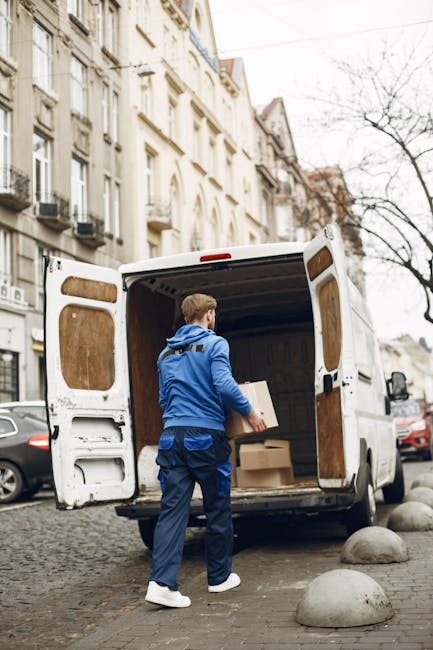
Why Blackheath bulky item removals vehicle access solutions Matters
Blackheath has plenty of properties where access is not straightforward. Some homes sit on quieter residential streets with limited waiting space. Others have narrow approaches, shared courtyards, basement levels, or awkward bends that make a large lorry a poor fit. A bulky item can be perfectly manageable in the room where it lives, then suddenly become a problem the moment it needs to pass through a hallway, down a stairwell, or into a vehicle parked two streets away.
The practical impact is simple. Poor access planning increases carrying distance, increases handling risk, and increases the chance of damage. It can also stretch a small job into a half-day effort. That is not great if you are removing a single sofa-bed, but it is even more frustrating if you are coordinating a full flat clear-out or a time-sensitive handover. In those moments, access is not a side issue. It is the job.
There is also the neighbour factor. A van blocking a road, a lift being held open for too long, or repeated trips through a shared entrance can quickly become disruptive. Sensible planning reduces friction for everyone nearby. To be fair, that matters as much as speed in places like Blackheath, where the local rhythm is usually calmer and people notice when a move turns chaotic.
If you are exploring broader moving support in the area, the company's services overview is useful for understanding how bulky item work fits alongside furniture moves, flat access jobs and other practical transport needs.
How Blackheath bulky item removals vehicle access solutions Works
Good access solutions start before the van arrives. First, the mover assesses the item and the route. That means checking the size, weight, shape and fragility of the item, then matching that against the property layout and street conditions. A low cabinet and a grand piano may both be "bulky", but they behave very differently in a hallway. One can be carried by a careful two-person team; the other may need special handling, padding and more precise vehicle positioning.
Next comes vehicle choice. A smaller removal van may be the smartest option if streets are tight or parking is limited. A larger van may still work if there is a clear loading bay, private driveway, or enough roadside space to stop safely. The aim is not to use the biggest vehicle available. It is to use the one that gives the least resistance between pickup point and drop-off point.
Then there is the loading plan. Some bulky items should be brought out on furniture blankets and straps. Some may need to be dismantled first. A mattress can seem harmless until you try to swing it around a bend. A wardrobe, meanwhile, can catch on bannisters or doorframes unless it is handled with a bit of patience. One of the most useful habits, honestly, is to treat every awkward corner as a decision point instead of trying to "push through and hope". Hope is not a plan.
In many cases, an access solution includes timing. Early morning or off-peak collection windows often work better than busy midday slots, especially if local parking is tight. On some jobs, the team may use a staging point: the vehicle waits in the nearest practical position while the item is carried carefully from the property. That short carry might save a lot of time compared with repeatedly repositioning a van in cramped conditions.
If the move is part of a bigger relocation, you may also want to consider whether a dedicated furniture removals Greenwich approach is better than a generic collection. That is often the difference between a carefully padded load and a rushed, awkward one.
Key Benefits and Practical Advantages
The best access solution is the one that quietly removes stress. You barely notice it when it works properly, which is kind of the point. Here are the main advantages.
- Less carrying distance: A van positioned correctly cuts down the time and effort needed to move heavy items.
- Lower damage risk: Fewer unnecessary turns, lifts and doorframe scrapes mean better protection for both property and belongings.
- Cleaner coordination: The move runs to a clearer rhythm, which matters when you are working around neighbours, lifts or loading restrictions.
- Better vehicle choice: Matching the van to the street and item prevents awkward last-minute changes.
- More predictable timing: A practical access plan is easier to quote and easier to complete without surprises.
There is also a confidence benefit. People tend to feel calmer when they know there is a sensible route in place. You can hear it in the way a job starts: less rushing, fewer repeated questions, fewer stops and starts. That calm is worth a lot, especially if you are moving fragile or sentimental items. A bulky item is still just an object, but some objects carry a lot of memory.
For customers weighing service levels, it can help to compare a more manual collection against the support described on the man and van Greenwich page, especially when access is not ideal but the job is not large enough to justify a full-scale removal.
Who This Is For and When It Makes Sense
This kind of planning is useful for a wide range of people. You do not need to be moving an entire house for vehicle access to matter. In fact, some of the trickiest removals are the smaller ones, because people assume they will be easy.
It makes sense if you are:
- moving a single bulky item from a flat or terrace
- clearing old furniture after a tenancy ends
- replacing large household items like wardrobes, bed frames or appliances
- moving into or out of a property with tight access, steep steps or a shared entrance
- coordinating a student move with limited parking time
- handling heavy or awkward specialist items, such as a piano or oversized shelving
Students and renters often need this most, actually. A small move can become awkward fast if the item is big enough to block a stairwell or impossible to leave on the pavement safely. If that sounds familiar, the advice in student removals Greenwich and the local tips in this Maze Hill student moves guide can help you think a bit more strategically about load size and timing.
Family homes and home movers benefit too, especially when a room-to-room move is needed as part of a bigger transition. A bulky item may need to be removed before decorators arrive, before keys are handed over, or simply because it no longer fits the next property. In those moments, access planning saves a lot of back-and-forth.
Step-by-Step Guidance
Here is the practical sequence we would recommend.
- Measure the item properly. Do not guess. Include height, width, depth, and any awkward protrusions like handles or feet.
- Measure the route out of the property. Check doorways, stair width, turns, lifts, ceilings, and any narrow external paths.
- Identify the best vehicle position. Think about driveway access, road width, corners, parking restrictions and safe loading space.
- Decide whether the item needs dismantling. Some items are easier and safer in parts. Others should be left intact to avoid structural weakness.
- Protect the property. Use blankets, corner guards, straps and floor protection where needed.
- Confirm the carry route on the day. Sometimes the plan changes slightly once you see the actual parking conditions. That happens more than people expect.
- Load securely. A bulky item should not shift in transit. Strapping and spacing matter.
- Check the drop-off access too. People often focus on pickup and forget that unloading can be even more awkward at the other end.
If you are collecting items as part of a broader move, a company that already handles removal van Greenwich jobs may be better placed to judge vehicle fit and street access than a one-size-fits-all courier arrangement.
A small but useful habit: walk the route once before the team arrives. Open the doors, look at the corners, and be honest about the tight spots. It takes five minutes and can save an hour. Maybe more.
Expert Tips for Better Results
The best access jobs are won in the details. Here are a few things that experienced movers pay attention to, even when the client does not mention them.
- Use the nearest sensible stopping point, not the nearest possible one. Sometimes parking one bay further away is safer and faster than forcing a bad angle.
- Clear the path before the team arrives. Shoes, planters, bins, loose rugs and lamp tables all become hazards when a large item is on the move.
- Keep lift use realistic. If a lift is small or busy, it may be slower than a careful stair carry. Not everything benefits from modern convenience, oddly enough.
- Protect door edges early. A tiny scrape at the start can become a bigger one by the end of the move.
- Book a time that suits the building, not just your calendar. If neighbours, building managers or parking availability create friction, the wrong time slot can undo good planning.
- Take photos of the route. This is especially useful if there is a tricky alley, rear access gate or shared courtyard.
One of the least glamorous but most valuable tips is to keep the item's path as straight as possible. Every extra pivot adds strain. Every unnecessary angle increases the risk of knocking paintwork, catching on a banister, or tilting an item at the wrong moment. Simple, really, but it gets overlooked.
For especially delicate items, such as a piano or upright musical instrument, specialist handling is worth considering. The mechanics of weight distribution, padding and control matter far more than brute force. If that sounds familiar, have a look at the company's piano removals Greenwich service for an example of how specialist loading can differ from standard furniture transport.

Common Mistakes to Avoid
Most access problems are avoidable. The issue is usually not the lack of effort; it is the lack of a clean plan. Here are the mistakes that show up again and again.
- Assuming a larger van is always better. In Blackheath, that can be the opposite of true.
- Forgetting to check parking conditions. What looks fine at 9am may be impossible at 1pm.
- Measuring the item but not the route. A wardrobe that fits in the room can still fail at the hallway turn.
- Not telling the mover about stairs, lifts or rear access. Hidden access issues slow everything down.
- Leaving dismantling too late. Last-minute unbolting tends to create chaos. And missing screws. Always missing screws.
- Ignoring the drop-off location. A smooth pickup does not guarantee an easy unload.
- Rushing fragile or sentimental items. If something is awkward and important, give it room.
There is a softer mistake too: trying to be helpful by underplaying the difficulty. People often say, "It should be fine," when actually they know the stairs are tight and the parking is unpredictable. It is better to be upfront. Good movers would rather hear the awkward truth than deal with a surprise at the kerb.
Tools, Resources and Recommendations
You do not need a full workshop to manage a bulky item move, but a few simple tools make a real difference.
- Measuring tape: Essential for doorways, stairwells and item dimensions.
- Furniture blankets: Helpful for protecting finishes and edges.
- Straps and ties: Useful for securing items inside the vehicle.
- Gloves with a good grip: Better handling, less slippage.
- Protective floor covering: Especially useful on polished floors or in rented properties.
- Allen keys and screwdrivers: Handy for basic dismantling work.
If you are choosing between service types, it can help to read the broader removals Greenwich information alongside the more specific furniture removals Greenwich page. That gives a clearer idea of when a simple van booking is enough and when a more structured removals setup is the safer choice.
You might also want to understand the company's wider approach to packing, protection and handling. The packing and boxes Greenwich page is useful if the bulky item is only one part of a mixed load and you need proper wrapping for smaller items too.
Law, Compliance, Standards, or Best Practice
For bulky item removals, the main compliance concerns are practical rather than complicated, but they should still be taken seriously. Vehicle access has to work within ordinary road safety and parking expectations, and movers should not create avoidable obstruction or unsafe loading conditions. In residential streets, that often means being thoughtful about where the van stops, how long it stays there, and whether pedestrians still have a clear path.
There is also a duty of care angle. Handling heavy items badly can damage property, injure the people doing the lifting, or create hazards for neighbours and passers-by. Good practice is to use enough people for the load, keep routes clear, and only move items in a way that is safe for the item and the building.
Insurance and operational standards matter too. A reputable mover should be able to explain how they handle damage prevention, what happens if access turns out to be more restrictive than expected, and how they manage loading safely. That is one reason the company's insurance and safety information is worth reading before you book.
If you are arranging a move from a flat, building access can be especially important because shared spaces introduce extra care points: lifts, communal halls, stairs, and the need to avoid disturbing neighbours. For that kind of work, flat removals Greenwich is a more relevant benchmark than a generic same-day collection. And if time is tight, same-day removals Greenwich support can be useful, provided the access details are clear from the start.
Options, Methods, or Comparison Table
Different access situations call for different approaches. There is no single perfect method, which is why a quick comparison helps.
| Method | Best for | Strengths | Trade-offs |
|---|---|---|---|
| Small van and short carry | Restricted streets, tight access, single bulky items | Flexible, easier to park, simpler loading | May need more trips for larger loads |
| Larger removal van | Clear parking and bigger loads | More capacity, efficient for multiple items | Harder to position in narrow roads |
| Man and van support | Light-to-medium jobs, quick collections, mixed access | Adaptable, cost-conscious, practical | Less suited to very heavy or specialist items |
| Specialist furniture handling | Large, delicate or awkward pieces | Better protection, better control | More planning needed |
The right answer depends on the street, the property and the item. A piano in a Blackheath terrace does not need the same setup as a compact sofa from a ground-floor flat. That sounds obvious, but it is exactly where people make rushed decisions.
For a broader sense of the company's positioning and how it handles different job types, the about us page is a sensible read as part of your research.
Case Study or Real-World Example
A fairly typical scenario goes like this. A customer in Blackheath needs to remove a large wardrobe, a mattress and two heavy storage units from an upper-floor flat. At first glance, the job looks small enough for a standard collection. But the stairwell has a tight turn, the street has limited stopping space, and the building entrance sits just inside a shared courtyard.
Rather than sending the largest available vehicle, the mover chooses a more compact van, arrives at a time with better parking availability, and positions the vehicle so the carry route is short and direct. The wardrobe is partially dismantled before loading, the drawers are removed to reduce weight, and protective blankets are used at the corners. The end result is not dramatic. No fireworks, no big story. Just a clean move with no unnecessary scraping, no rushed lifting, and no tense conversation with a neighbour about blocking the pavement.
That is the real value of access solutions. They do not make a move look impressive. They make it easy to live with afterwards.
And if you want the local context that shapes these kinds of jobs, the company's narrow streets removals guide and the article on SE10 flat removals costs and quotes offer useful nearby insight.
Practical Checklist
Use this before the move, or at least the day before. It really does save hassle.
- Measure the bulky item accurately.
- Measure every doorway, stair turn and corridor on the route.
- Check whether the item can be dismantled safely.
- Confirm where the van can stop without causing a problem.
- Tell the mover about stairs, lifts, courtyards and rear access.
- Clear the hall, landing and loading path of obstacles.
- Protect floors, corners and doorframes.
- Decide whether the item needs wrapping or strapping.
- Make sure the unload point is also accessible.
- Keep spare time in the schedule for parking or access changes.
Expert summary: The most reliable bulky item removals in Blackheath are not the fastest or the largest. They are the ones that match the item, the building and the street before anyone picks up a single box strap.
If you are still deciding how much help you need, the wider removal companies Greenwich information can help you compare levels of service without overcommitting to a bigger move than you actually need.
Conclusion
Blackheath bulky item removals vehicle access solutions are really about making awkward things manageable. That is the whole point. The right van, the right stopping point, the right carry route and the right amount of preparation can turn a difficult collection into a very ordinary one, which is exactly what you want.
Whether you are moving one oversized item or several pieces of furniture, the safest path is usually the most considered one. Measure properly, plan the approach, keep the route clear and be honest about the access. Small steps, yes. But they add up fast.
Get a free quote today and see how much you can save.
And if you are doing this during a busy week, with work calls pinging, doors open, kettle on, all of that London-life noise in the background, take a breath. A good removal plan is one less thing to worry about, and that is worth something.